Latest emergency response news
Updated: 15 July 2026
Australia remains free from lumpy skin disease (LSD).
LSD continues to spread through Southeast Asia. On 13 January 2026, the Bali Province Department of Agriculture and Food Security confirmed the first detection of LSD in Bali, Indonesia.
About lumpy skin disease
Lumpy skin disease is a serious, contagious viral disease caused by lumpy skin disease virus (LSDV), a member of the capripox virus family.
The disease primarily affects cattle (beef and dairy) and water buffalo. LSD is not zoonotic, which means humans cannot catch it from infected animals or from eating beef or drinking milk.
LSD is mainly spread through:
- biting insects, such as flies, mosquitoes, midges and ticks
- movement of infected animals
- contaminated equipment, vehicles, feed and water sources
Common signs of LSD include:
- discharge from the eyes and nose (often the first sign observed)
- high fever (above 41°C)
- firm skin nodules (lumps), typically 2–5 cm in diameter, especially on the head, neck, limbs, udder, genitalia and perineum
- reduced milk production in dairy cattle
- lethargy, loss of appetite and weight loss
- swollen lymph nodes and lameness
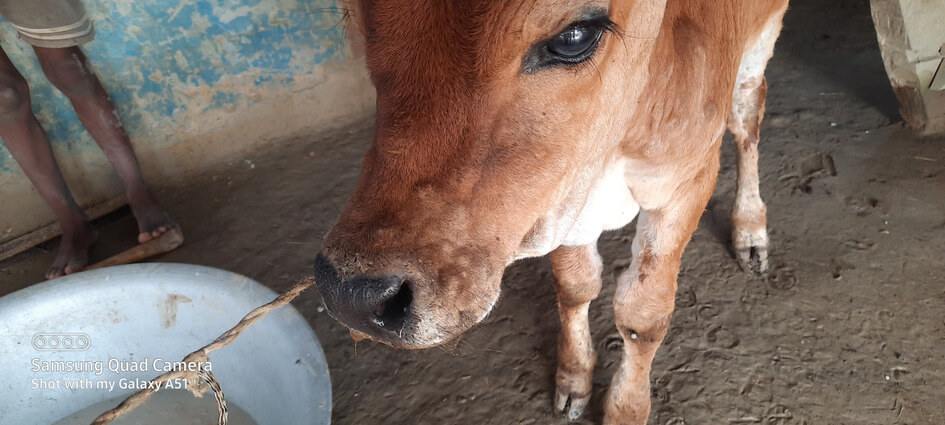
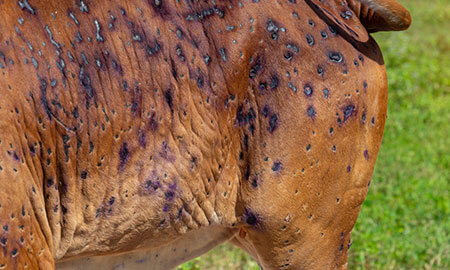
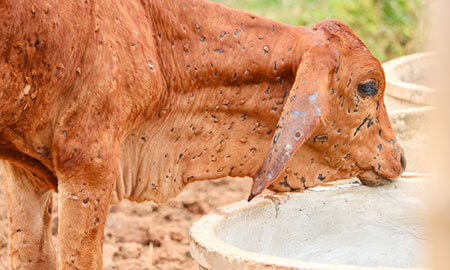
Clinical signs alone are not sufficient to confirm LSD. Laboratory testing is required for diagnosis.
The incubation period is usually 4–14 days post-infection but can be up to 28 days. Morbidity rates are typically 10–20%, and mortality rates are usually 1–5%.
LSD is not a food safety concern. It cannot be transmitted to humans by consuming meat, milk or dairy products.
Lumpy skin disease in Australia
Lumpy skin disease has never been detected in Australia. Australia’s LSD-free status is a major trade advantage, allowing access to export markets that require freedom from the disease.
An incursion would have serious consequences for Australia’s beef and dairy industries.
Likely impacts would include:
- immediate movement controls in affected areas to contain and eradicate the disease
- temporary suspension of livestock exports to trading partners that require LSD-free certification
- significant production losses due to reduced milk yields, weight loss, infertility and hide damage
- costs of the disease response shared between governments and industries under the Emergency Animal Disease Response Agreement (EADRA)
Australia’s nationally agreed policy is to eradicate LSD as quickly as possible, while minimising social, economic, animal welfare and environmental impacts.
Unlike foot-and-mouth disease, a nationwide livestock standstill is not a prescribed control measure for LSD. Instead, targeted movement controls and other response measures would be applied in affected areas.
Australia is working proactively to keep LSD out and to be well prepared if it does arrive.
Through the National LSD Action Plan, governments, industry and other stakeholders are working together to strengthen Australia’s biosecurity, preparedness, response and recovery arrangements.
This work includes improving trade preparedness, vaccine access, border protection measures and regional cooperation to reduce the risk of LSD entering Australia and to support an effective response if an outbreak occurs.

How to report lumpy skin disease
Lumpy skin disease is a nationally notifiable animal disease. If you suspect lumpy skin disease in your cattle or water buffalo, you must report it immediately by contacting:
- your private veterinarian
- your state or territory agriculture department
- the Emergency Animal Disease Hotline on 1800 675 888.
Producers in northern Australia — particularly those in the Northern Territory, northern Queensland and northern Western Australia — should be especially vigilant.
If you notice any unusual signs in your cattle or water buffalo, do not wait. Early reporting is critical to a rapid response.
Lumpy skin disease overseas
LSD was first described in Zambia in 1929 and was historically confined to sub-Saharan Africa.
Since the 1980s, the disease has spread steadily beyond Africa, first into the Middle East, then into Europe and Asia. Significant milestones include:
- 2019 – first detections in India, China and Bangladesh
- 2021 – detections in Thailand, Malaysia and Cambodia
- 2022 – first outbreak reported in Indonesia (March). Since then, there have been reported cases in 21 provinces across Sumatra, Java, the Bangka Belitung Islands and Kalimantan.
- 2025 – outbreaks confirmed in Italy, France and Spain.
- 13 January 2026 – LSD confirmed in Bali, Indonesia.
The continued spread of LSD through Southeast Asia increases the risk of an incursion into Australia. Potential pathways include insect vectors carried to northern Australia on monsoon winds, as well as human-assisted spread through tourism and cargo movements.
Resources for producers
LSD can cause significant production losses and trade disruptions. Maintaining strong biosecurity and knowing what signs to look for are the best ways to protect your herd and business.
AUSVETPLAN resources
AUSVETPLAN is a series of manuals, guides and procedures that contain the nationally agreed approach for responding to EAD incidents in Australia. Below are the documents relevant to a lumpy skin disease response.