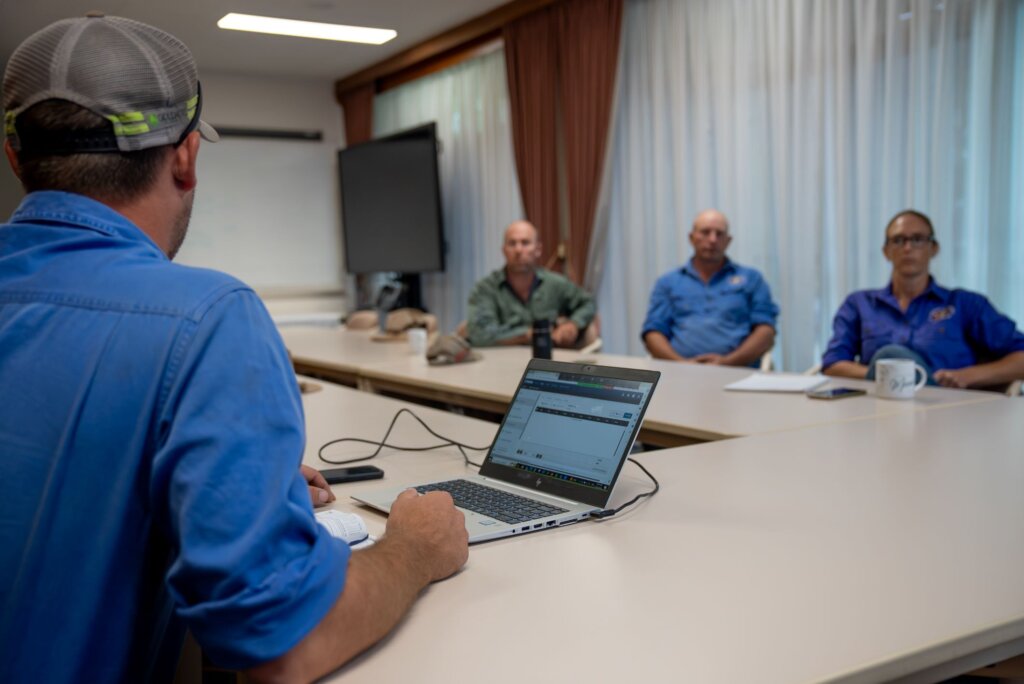
Animal Health Australia (AHA) has released the Liaison – Livestock Industry (LLI) Network Maintenance Guidelines to help livestock peak industry bodies (PIBs) manage and support their LLI networks.
These guidelines aim to strengthen collaboration during emergency animal disease (EAD) responses, ensuring LLIs can continue to play their vital role in biosecurity.
What the guidelines offer
The guidelines provide a flexible process for PIBs to maintain and support their LLI networks. They complement existing plans and procedures, allowing organisations to tailor support to their specific needs.
The guidelines include templates and resources to make implementation easier for PIBs. Practical tools include:
- LLI network status assessment checklist – to review capacity and capability.
- Expressions of interest (EOI) form – for recruiting suitable industry representatives.
- LLI deployment checklist – to guide activation during an EAD response.
- Resource and opportunity register – to track training and engagement activities.
The guide also includes links to AUSVETPLAN manuals, EADRA guidance documents, and online LLI training courses.
Insights driving the guidelines
Reviews of responses to highly pathogenic avian influenza (HPAI) in NSW, Victoria, and the ACT, along with findings from Exercise Audiatur, highlighted the need for stronger support for LLIs. Both PIBs and lead agencies must provide guidance and resources before and during deployment to ensure LLIs can operate effectively.
Why LLI roles are critical
Governments face increasingly complex biosecurity threats. Effective EAD responses require collaboration across agencies and industry. LLIs help make this possible by ensuring clear communication and informed decisions.
The Liaison – Livestock Industry function acts as a vital link between industry and government during EAD responses. Representing PIBs, they facilitate two-way communication and information exchange between their PIBs and the lead agency, including advice, access to resources, and updates on response activities and strategies.
This vital role supports decision-making in control centres and helps build a clear picture during fast-moving outbreaks.
Access the guidelines now
For more information, email trainingsupport@animalhealthaustralia.com.au.