When it comes to biosecurity, most people think governments, laboratories and emergency response teams. But some of the most important contributions to our national biosecurity system come from everyday Australians.
This National Biosecurity Week (24–30 August 2026), we recognise and celebrate the role we all play in protecting what matters most — our environment, food supply, economy, and way of life.
Whether you’re a farmer, wildlife carer, birdwatcher or member of the public, being informed and ready to act can make a world of difference.
Knowing the risk is only the first step
One of Australia’s unique biosecurity strengths is that we often see threats emerging overseas well before they reach our shores.
This early warning gives us time to understand the risks, learn from other countries’ experience, and make sure we’re ready to respond if those threats reach Australia.
Long before H5 bird flu was detected in Australia, governments, industries, researchers and communities were tracking outbreaks overseas, improving surveillance and testing, strengthening response plans and helping people understand the risks.
Since its first detection in Australia in June 2026, this work has ramped up as authorities track cases, assess risks and make important decisions to protect animal health, wildlife and the environment.
But systems and plans only work when people put them into action.
When people speak up, biosecurity gets stronger
Governments and industries play an important role in preparedness and response, but detection often starts on the ground.
Whether it’s a poultry producer spotting unusual signs in a flock, a wildlife carer finding sick animals, or a birdwatcher reporting sick or dead birds, it’s everyday people who often spot issues first. And the faster they report these issues, the faster the rest of the nation can react.
Thankfully, there are a lot of Australians keeping watch.
In South Australia, birdwatchers have joined a dedicated Bird Observers Network, receiving training to help identify and report signs associated with H5 bird flu in wild birds.
In northern Australia, Indigenous rangers support early detection efforts through wildlife monitoring and surveillance activities. Their on-ground presence and deep knowledge of Country help identify unusual wildlife health events and provide valuable insights from some of Australia’s most remote regions.
Livestock and poultry producers around the country have updated their biosecurity plans and tightened biosecurity measures to keep animals safe and help ensure potential disease threats are identified and investigated as early as possible.
The wider community is also playing a part. Since the first detection of H5 bird flu on our shores, thousands of people across multiple states have contacted the Emergency Animal Disease Hotline to report sick or dead birds.
Not every report leads to further investigation, but each one helps build a clearer picture of where disease may be occurring. This helps strengthen surveillance activities and enables authorities to make more informed decisions to protect our farms, wildlife, environment and communities.
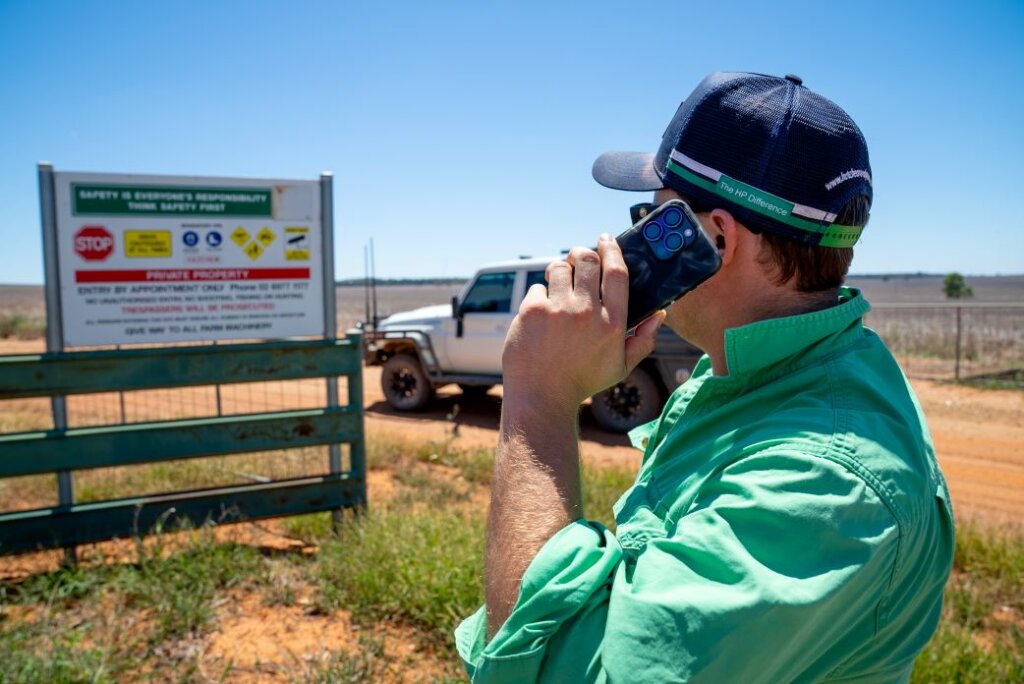
See something unusual? Speak up.
If you see sick or dead animals, or anything unusual:
- AVOID contact with the animal and the surrounding environment.
- RECORD what you observe, including the location, date, species and any visible signs of illness. If it is safe to do so, take a photograph.
- REPORT your observations to the Emergency Animal Disease Hotline on 1800 675 888.
Early reporting helps authorities investigate potential threats quickly, strengthens surveillance efforts and supports a more effective response.
Turning awareness into action
When new disease threats emerge, there’s often a window of opportunity to act before they have a major impact. But that only works if people turn awareness into action.
For livestock producers and animal owners, this means reviewing biosecurity plans, monitoring animal health more closely, updating records and making sure everyone on-farm knows what signs to look for and how to report issues.
For governments, industries and researchers, it means increasing surveillance, sharing information and preparing response arrangements.
For the community, it means staying informed, following biosecurity advice and reporting unusual signs in animals and wildlife.
Acting early helps improve our understanding of risks, supports timely detection and gives authorities more options to manage and minimise threats where possible.
A stronger biosecurity system starts with you
National Biosecurity Week reminds us that biosecurity is not something that starts when a disease arrives. It starts with the actions we take every day to prepare for, prevent and detect animal disease threats.
This National Biosecurity Week, turn awareness into action. Understand the risks. Review your biosecurity plan. Make sure everyone on your property understands their role and follows the plan every day.
The actions you take today, and every day, are already shaping tomorrow.
For more information, visit bioweek.org.au.