A recent detection of Japanese encephalitis virus (JEV) in commercial pigs in Queensland is a timely reminder for livestock producers to stay alert as mosquito season ramps up.
Queensland confirmed the detection in early September, following detections in a person and commercial pigs in May, and a feral pig in June. Authorities say the finding is not unexpected, as JEV is now considered established in mainland Australia.
What is JEV?
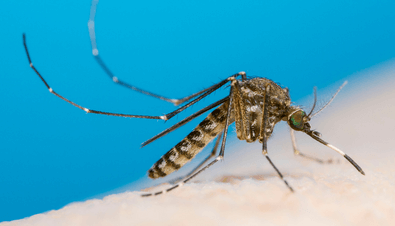
JEV is a viral disease spread by mosquitoes that can affect both animals and people. The virus naturally circulates between mosquitoes, waterbirds and pigs.
Animals and people become infected when bitten by an infected mosquito. Importantly, JEV does not spread directly between animals, or from animals to people.
Many infected animals show no obvious signs of illness. However, JEV can cause reproductive losses in pigs and neurological disease in horses. In rare cases, it can also cause serious illness in people.
Australia experienced its largest recorded JEV outbreak in 2022, with detections across multiple states and significant impacts on animal and human health. Since then, the virus has become established in parts of eastern Australia.
Because JEV continues to circulate in wild waterbird and mosquito populations, seasonal detections are expected, particularly when mosquito numbers increase. Ongoing surveillance, mosquito control and public health measures remain important tool for managing JEV.
Getting ready for mosquito season
With mosquito activity expected to increase throughout spring and summer, now is a good time to review your mosquito management and biosecurity practices.
The most effective mosquito control programs target mosquitoes at every stage of their lifecycle, not just when they become adults.
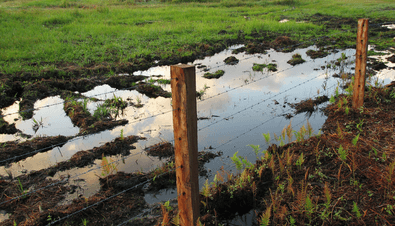
Producers can help reduce the risk of JEV on their properties by:
- removing standing water and other mosquito breeding sites
- maintaining drainage systems and managing vegetation around livestock facilities
- monitoring pigs and horses for signs of disease
- protecting themselves and their staff from mosquito bites
- speaking with a healthcare provider about JEV vaccination if eligible
- reporting unusual disease events promptly.
Taking these simple steps can help reduce mosquito numbers, lower disease risk and strengthen preparedness ahead of the warmer months.
Practical resources for producers
The Farm Biosecurity website offers a range of practical tools to help producers improve mosquito management and prepare for JEV, including:
Report suspected cases
JEV is a nationally notifiable animal disease.
If you suspect Japanese encephalitis in pigs or horses, contact your veterinarian, your state or territory agriculture department, or the Emergency Animal Disease Hotline on 1800 675 888. Early reporting helps authorities monitor JEV activity across Australia and supports national disease surveillance efforts.