What happens when Australia’s emergency animal disease technical representatives face difficult choices, incomplete information and a rapidly evolving outbreak?
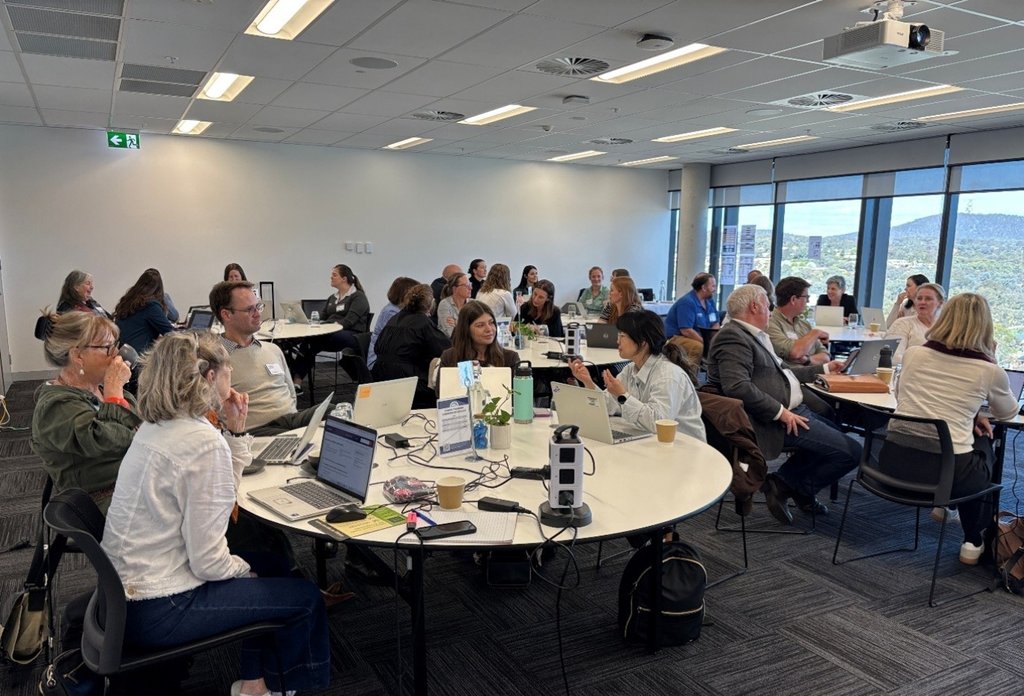
More than 30 participants from industry, government and allied sectors explored that question during Animal Health Australia’s refreshed Consultative Committee on Emergency Animal Diseases (CCEAD) Training Exercise, held in Canberra during Members’ Engagement Week last month.
The two-day program brought together CCEAD representatives, advisors, observers and stakeholders from across Australia’s biosecurity system, including the human health, plant and remote Indigenous animal health sectors.
Rather than focusing on theory alone, the program immersed participants in realistic emergency animal disease (EAD) scenarios designed to replicate the pressure and complexities of a national response.
Learning through realistic scenarios
Facilitated by AHA Training Head of Program Ben Byrne and EAH Professionals Consultant Dr Peter Dagg, participants worked through two disease scenarios that followed the progression of an outbreak. As new information emerged, participants analysed risks, considered response options and prepared for two mock CCEAD meetings.
The refreshed format built on lessons from earlier training exercises and placed a stronger emphasis on practical learning, discussion and decision-making. Participants had multiple opportunities to test their thinking in a safe environment while gaining a deeper understanding of the CCEAD role.
Experiencing a CCEAD meeting firsthand
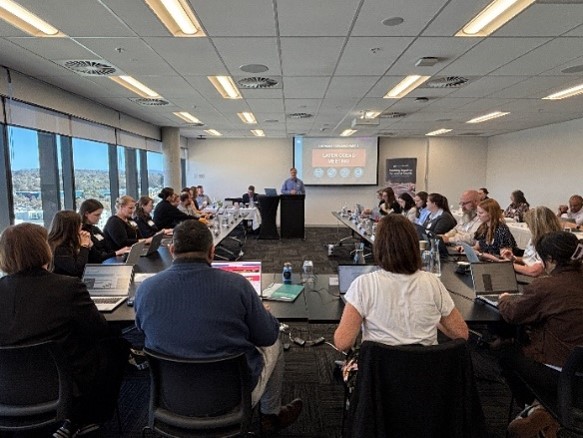
A key feature of the exercise was the opportunity to experience the dynamics of a CCEAD meeting firsthand.
The mock meetings were chaired by Deputy Australian Chief Veterinary Officer Dr Sam Hamilton, who challenged assumptions, guided discussion and provided practical insights into how national response decisions are made during an emergency animal disease outbreak.
His involvement helped participants better understand both the procedural and strategic considerations of CCEAD deliberations during a response.
Insights from across the response system
Participants also heard from a range of experts who helped bring the scenarios to life.
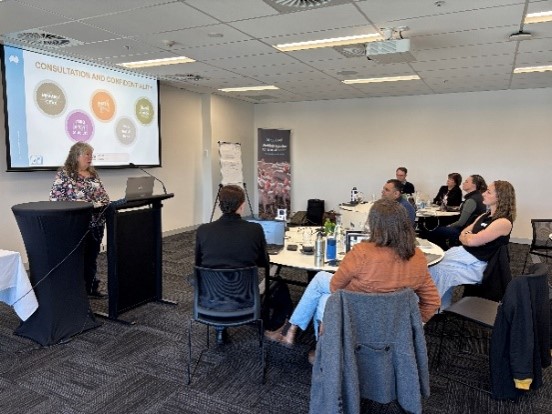
AHA EADRA Head of Program Dr Therese Wright delivered sessions on CCEAD decision-making, confidentiality requirements and EADRP financing arrangements. She also facilitated a practical exercise that challenged participants to consider the issues, information, and perspectives they would need to bring to an initial CCEAD meeting.
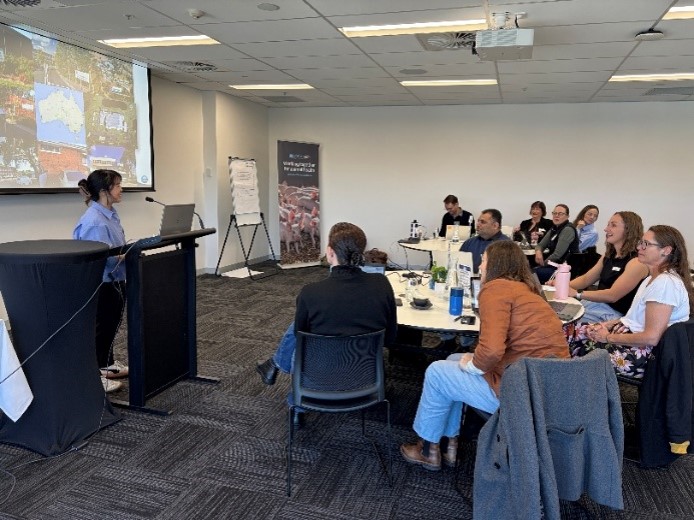
Megan Poon from CSIRO’s Australian Centre for Disease Preparedness explored laboratory networks, diagnostic processes and sample management during suspect disease investigations.
Additional contributions from Gianna Magnocavallo (Department of Agriculture, Fisheries and Forestry), Dr Isabel MacPhillamy (NT Government), Dr Andrew Larkins (AHA) and Dr Heather Richards (AHA) provided participants with perspectives from across the national preparedness and response system.
Building capability and confidence
For many participants, the greatest value came from working through realistic scenarios alongside experienced colleagues from industry and government. The practical format created opportunities to test ideas, build networks and deepen understanding of the decisions that shape Australia’s response to an emergency animal disease.
Participant feedback reflected the impact of the training. Following the exercise, participants reported more than a 40% increase in both their understanding of EAD response arrangements and their confidence in undertaking the CCEAD role during an emergency response. In addition, 100% of participants either agreed or strongly agreed that the training met their needs, was delivered effectively and enabled meaningful participation.
“The training was a balanced combination of theory and practice/scenarios. Having experienced people, and with the current H5 response solidified my understanding of CCEAD. The exercise scenario materials were well compiled. The facilitation and support [are] excellent.”
“The presentations were excellent and very applicable. The presence of such knowledgeable people in the room — Therese, Peter, Sam, Ben — and the opportunity to meet other participants. Ben did a fantastic job as a facilitator, great, engaging, genuine, relaxed style.”

Explore EAD training opportunities
AHA provides education and training that builds the biosecurity response capability of members and assists them to meet their responsibilities under the Emergency Animal Disease Response Agreement (EADRA).